
Blog
Sit-stand desks: what to consider

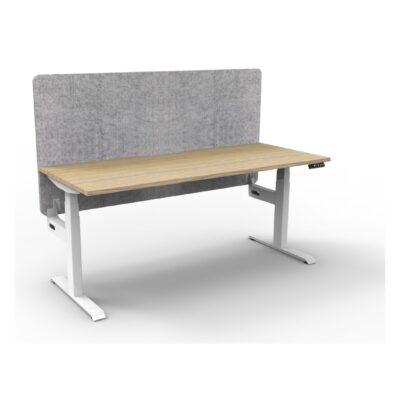
Sit-stand desks are now standard in office fit-outs and increasingly common in school administration areas. They are also easy to over-buy, so it is worth being clear about where they earn their cost.
Electric or crank
Electric models change height at the touch of a button. That matters when a desk is shared across shifts or year levels, because a desk that takes effort to adjust does not get adjusted.
Crank models cost less and hold their setting well. Where a desk stays with one person who sets it once and rarely changes it, a crank model does the same job for less.
The question is not which is better. It is how often the height will actually change.
Where they are worth it
Staff who spend most of the day at a screen benefit most. In schools, that usually means administration and front office rather than teaching spaces.
For students, sit-stand tables suit spaces where the room is shared across year levels, because the adjustment covers a range of heights from one purchase. That is often the stronger argument for a school than the health case.
What people get wrong
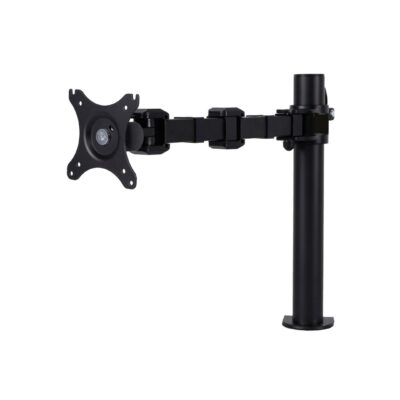
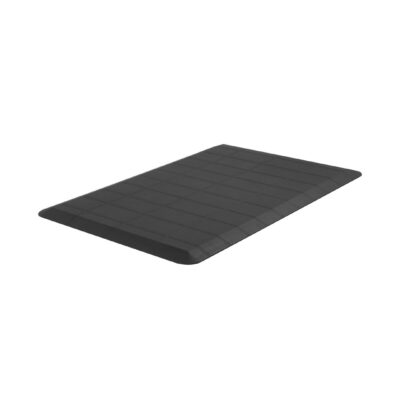
Buying the desk and stopping. A sit-stand desk without an anti-fatigue mat, and with a monitor left at sitting height, tends to be used standing once and then left down. Screen height needs to move with the desk, which usually means a monitor arm.
Cable management is not optional
A desk that moves needs its cables to move with it. Without a basket or an umbilical pole, leads catch, unplug and eventually fail.
Browse sit-stand desks or talk to us about tailored pricing for bulk orders.









 Education Seating
 Student Chairs
 Computer
 Stools
 Ottomans
 Modular
 Booths
 Outdoor Seating
 Auditorium
 Benches
 Tables & Desks
 Classroom Tables
 Collaborative
 High Tables & Benches
 Teachers Tables & Desks
 Folding & Flip Tables
 Meeting Tables
 Carrells
 Student Storage
 Lockers
 Bag and tote storage
 Shelving & Cupboards
 Trolleys
 Visual & Display
 Whiteboards
 Pinboards
 Mobile Whiteboards
 Partitions
 Accessories
 Table Tops
 Locker Accessories
 Seating
 Ergonomic Chairs
 Visitor Chairs
 Task Chairs
 Lounge & Tub Chairs
 Executive
 Training Room
 Stools
 Desks
Desks Returns
 Straight Desk
 Sit-Stand
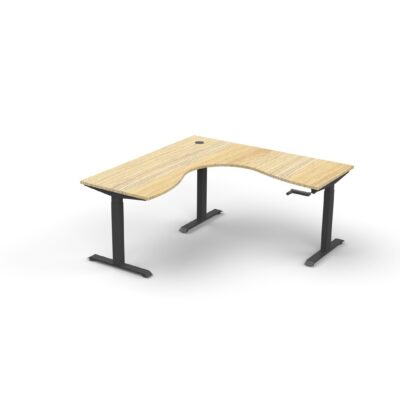 Corner Desk
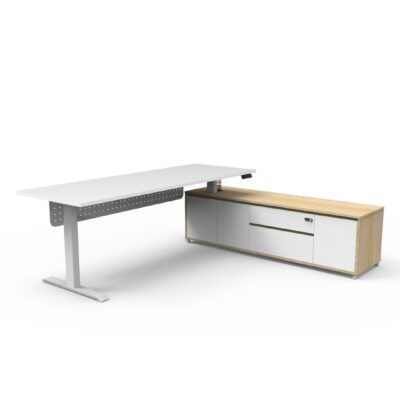 Executive Desks
 Modesty Panels
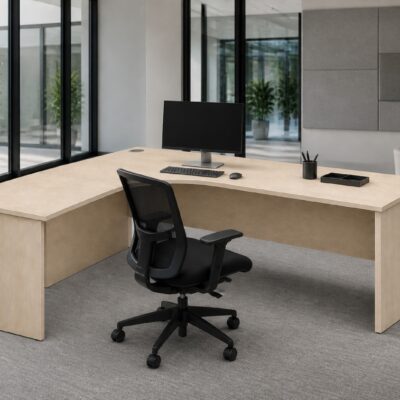 Workstations
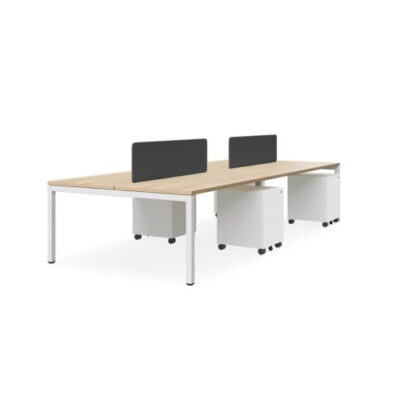 Luna
Luna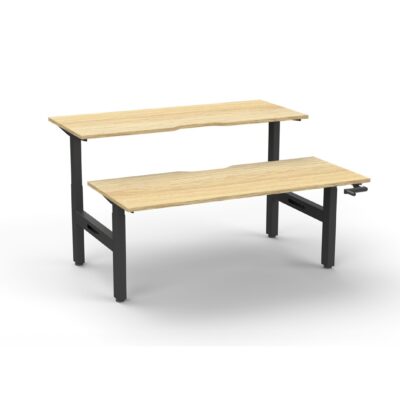 Boost
Boost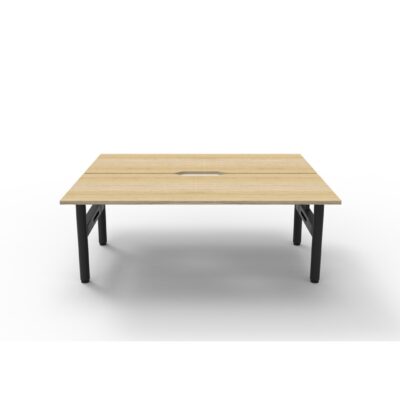 Halo
Halo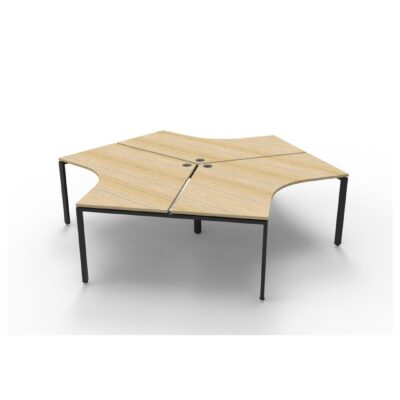 Deluxe Infinity
 Rapid Span
 Eternity
 Rapid Worker
 Screens
 Tables
 Meeting Tables
 High Tables & Benches
 Side Tables
 Storage
 Bookcases
 Drawers & Pedestals
 Cupboards & Wall Units
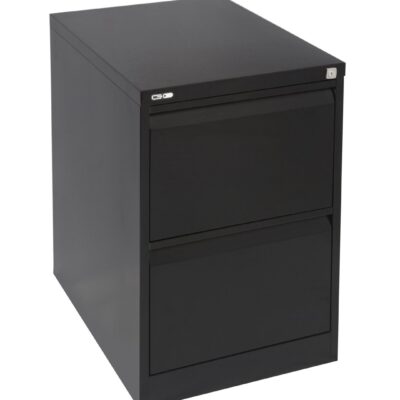 Filing Cabinets
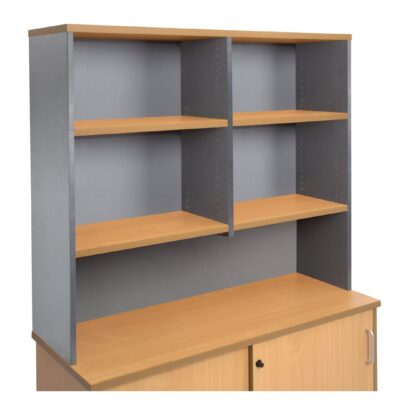 Hutch
Hutch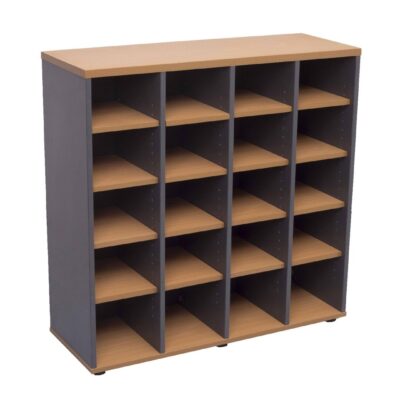 Hobs & Pigeon Hole Units
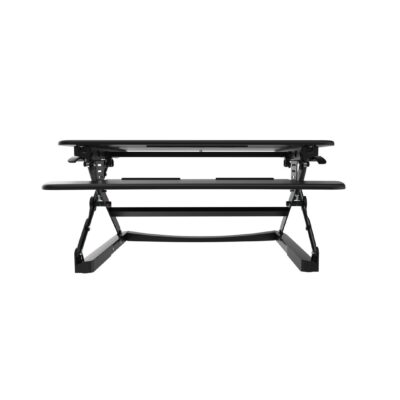 Desk Accessories
 Monitor Arms
 Cable Baskets & Trays
 Charging Modules
 Standing Mats
 Outdoor
 Collaborative
 Breakout
 Reception
 Library
 Library Fitout
 Shelving
 Reading Lounges
 Staffroom
 STEM
STEM STEM Benches & Tables