
Blog
Planning a flexible classroom

Flexible learning fails on furniture more often than on teaching. If resetting a room takes ten minutes and two staff, it will not happen between periods, and the room quietly settles into one layout.
Three things decide whether a room can genuinely change.
Shape
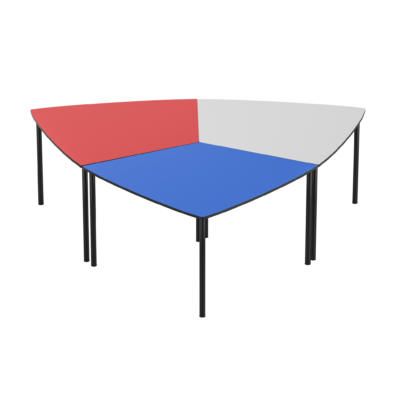
Rectangles line up and little else. Trapezoids, curves and wedges are cut so they join into circles, waves and pods, then separate for individual work. A trapezoid table seats a group of three when clustered and works as a single desk when it is not.
Shape is what makes a layout possible, so it is the decision that constrains everything after it.
Mobility
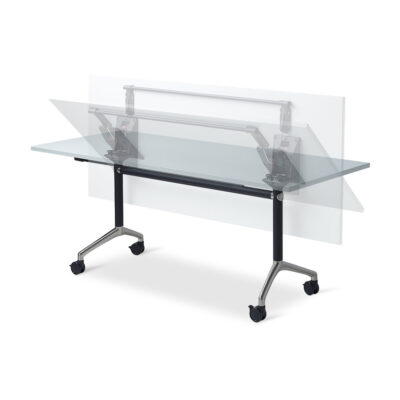
A table that has to be lifted will not be moved. Lockable castors let one teacher reset a room without tools and without help. Flip-top and nesting models fold and stack against a wall when the floor itself is needed.
Storage
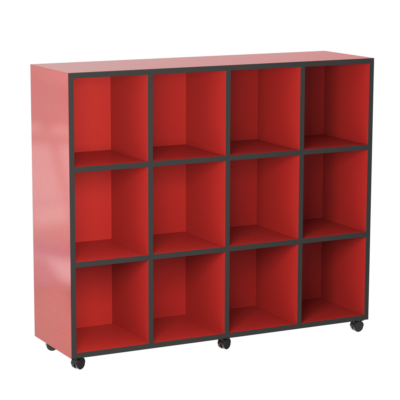
Rooms cannot be reconfigured if the floor is covered in bags and boxes. Tote units and bag storage give every student a place of their own, which clears the floor and, usefully, gives back the teaching minutes otherwise spent sorting materials.
Start with the activities
The most common mistake is choosing furniture first. List the three or four things the room actually has to do in a week: direct teaching, group work, quiet individual work, presentation. Then check each layout can be reached from the others in under two minutes. If it cannot, the furniture is wrong.
Browse collaborative tables and student storage.










 Education Seating
 Student Chairs
 Computer
 Stools
 Ottomans
 Modular
 Booths
 Outdoor Seating
 Auditorium
 Benches
 Tables & Desks
 Classroom Tables
 Collaborative
 High Tables & Benches
 Teachers Tables & Desks
 Folding & Flip Tables
 Meeting Tables
 Carrells
 Student Storage
 Lockers
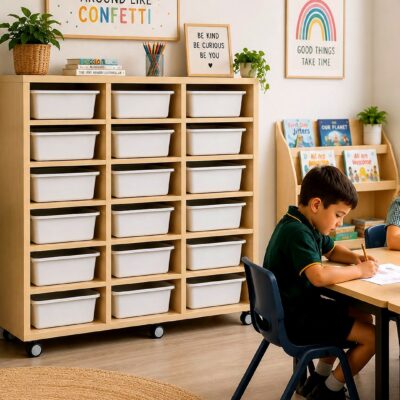 Bag and tote storage
 Shelving & Cupboards
 Trolleys
 Visual & Display
 Whiteboards
 Pinboards
 Mobile Whiteboards
 Partitions
 Accessories
 Table Tops
 Locker Accessories
 Seating
 Ergonomic Chairs
 Visitor Chairs
 Task Chairs
 Lounge & Tub Chairs
 Executive
 Training Room
 Stools
 Desks
Desks Returns
 Straight Desk
 Sit-Stand
 Corner Desk
 Executive Desks
 Modesty Panels
 Workstations
 Luna
Luna Boost
Boost Halo
Halo Deluxe Infinity
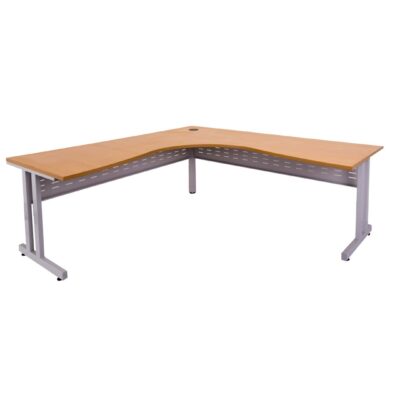 Rapid Span
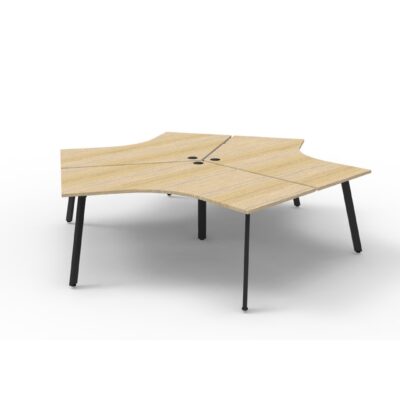 Eternity
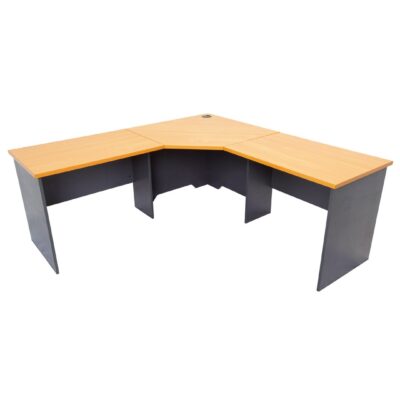 Rapid Worker
 Screens
 Tables
 Meeting Tables
 High Tables & Benches
 Side Tables
 Storage
 Bookcases
 Drawers & Pedestals
 Cupboards & Wall Units
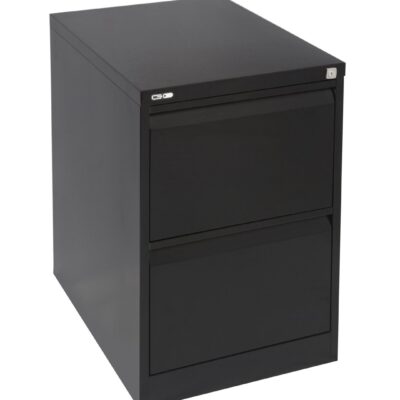 Filing Cabinets
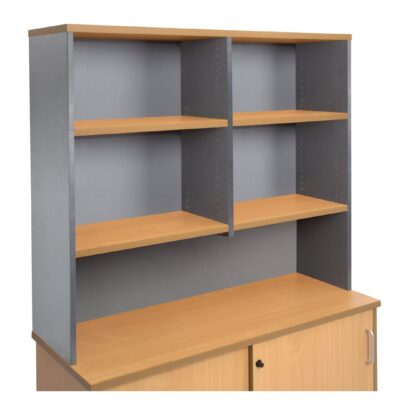 Hutch
Hutch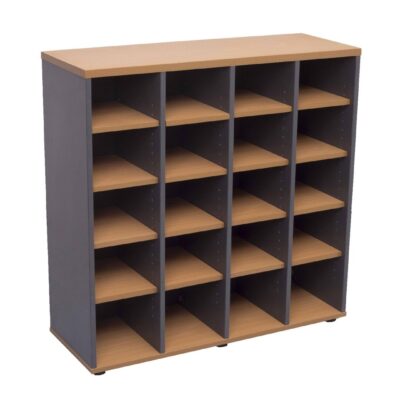 Hobs & Pigeon Hole Units
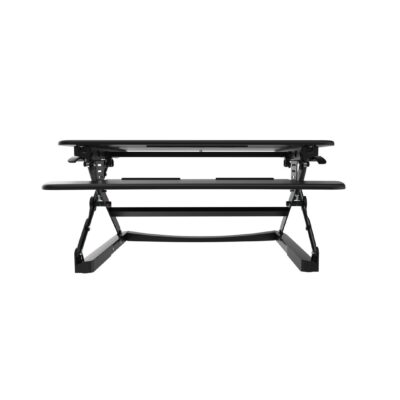 Desk Accessories
 Monitor Arms
 Cable Baskets & Trays
 Charging Modules
 Standing Mats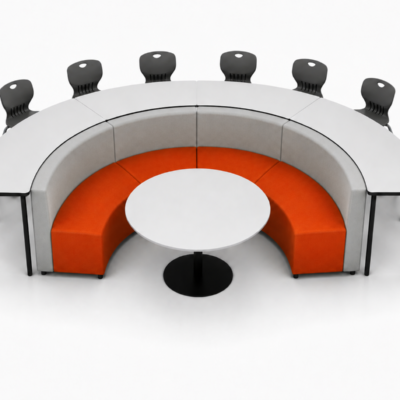
 Outdoor
 Collaborative
 Breakout
 Reception
 Library
 Library Fitout
 Shelving
 Reading Lounges
 Staffroom
 STEM
STEM STEM Benches & Tables